
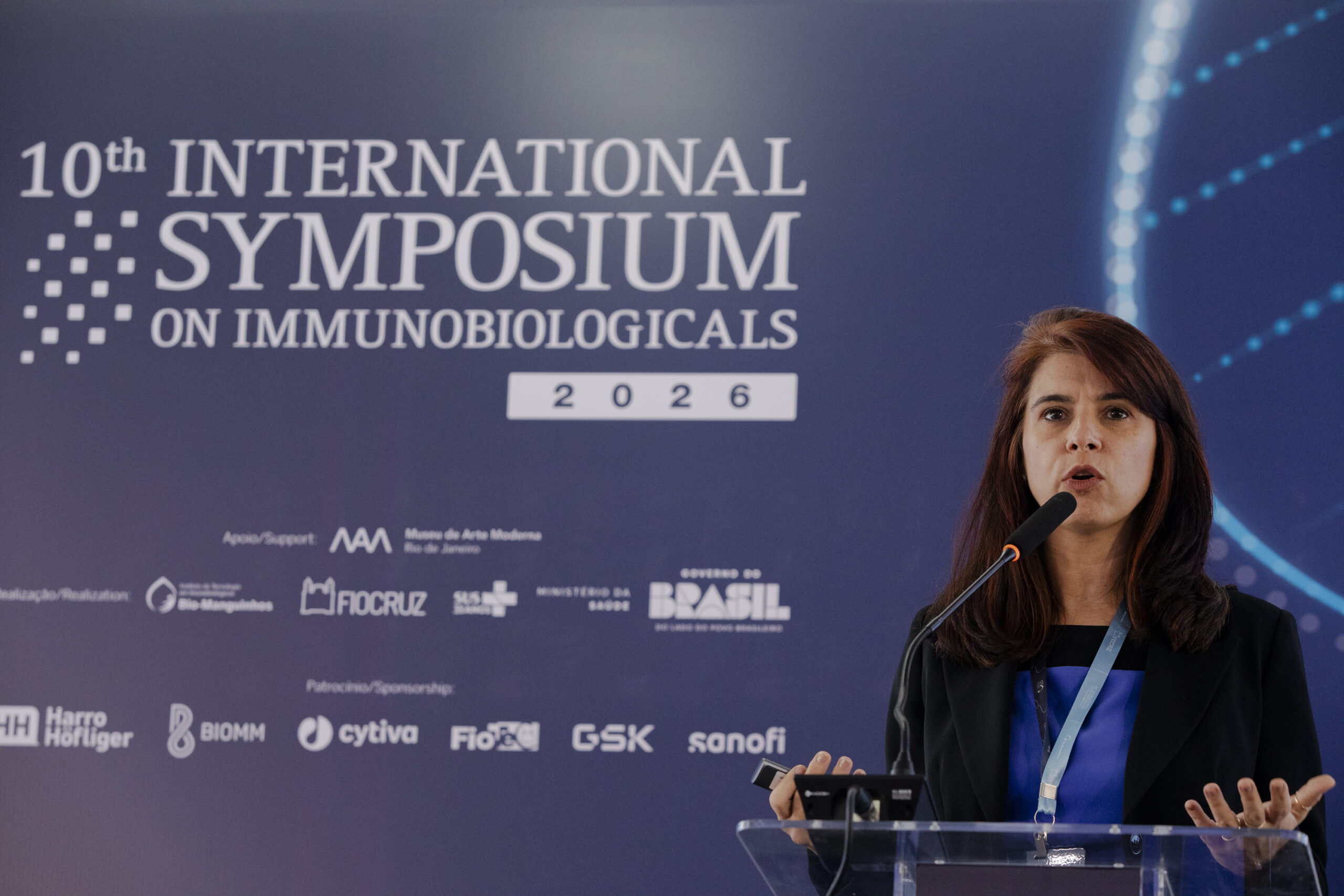
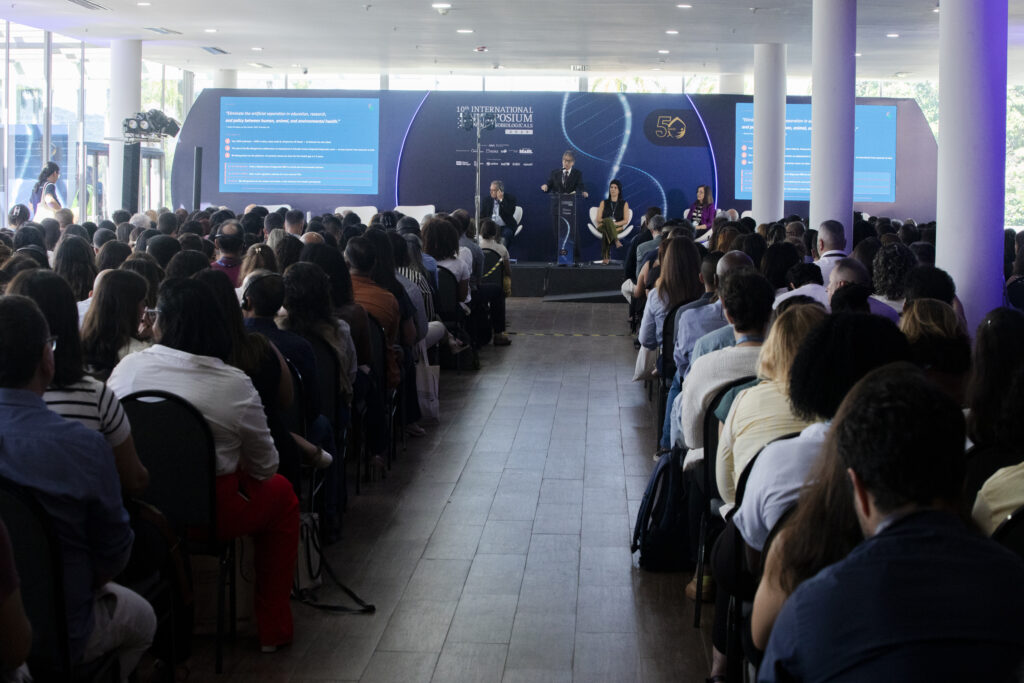
Expanding vaccine production capacity in developing countries and strengthening South-South cooperation emerged as key priorities during discussions at the 10th International Symposium on Immunobiologicals, held in Rio de Janeiro, Brazil, from May 6 to 8, 2026, and organized by Bio-Manguinhos/Fiocruz.
The debate took place during the panel “Potentialities and challenges for stimulating South-South cooperation in biotechnological development, Tech Transfer and Capacity Building,” on May 7.
Speakers from international organizations, governments, philanthropic institutions and vaccine manufacturers highlighted the urgency of building more resilient regional production networks, increasing technology transfer and reducing global inequalities in access to vaccines and health technologies.
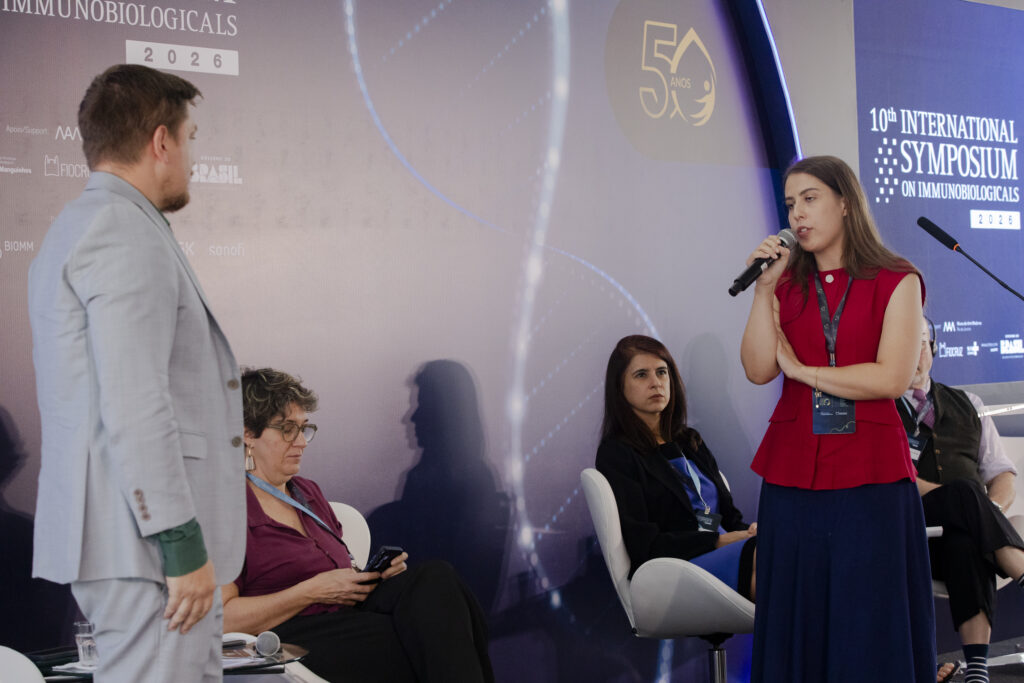
Opening the discussion, Priscila Ferraz, Vice President of Production and Innovation in Health at Fiocruz and Deputy Executive Secretary of the Global Coalition for Local and Regional Production, Innovation and Equitable Access, highlighted the importance of international cooperation at a moment when multilateralism and global health efforts face growing challenges.
Representing the Global Coalition, Ferraz highlighted the coalition’s first international call for proposals, focused on supporting projects aimed at strengthening local and regional production capacities in health.
She emphasized that the initiative – launched during Brazil’s G20 presidency and formally established at the 2024 World Health Assembly – aims to strengthen local and regional productive, innovative and regulatory capacities, especially in developing countries, in order to ensure more equitable access to health products and technologies.
She stressed that the coalition was created in response to the unequal access to vaccines and medical technologies seen during the COVID-19 pandemic.
According to Ferraz, the initiative seeks to mobilize governments, international organizations and funding institutions around concrete projects focused on vulnerable populations and neglected diseases.
Ferraz also underscored that the Coalition’s actions are linked to the priorities and decisions of the countries responsible for implementing health policies and deploying these technologies.
She highlighted the importance of the Coalition’s governance structure, which includes a steering committee composed of participating countries and an advisory committee bringing together organizations working on equitable access to healthcare, pandemic preparedness and innovation.
Currently chaired by Brazil, the coalition already includes 11 countries and 24 organizations in its advisory committee, among them the Developing Countries Vaccine Manufacturers Network (DCVMN), funding institutions and global health organizations.
Expanding manufacturing capacity across the Global South
Earlier in the panel, Iin Susanti, Board Chair of DCVMN and Director of Human Capital at Biofarma, presented the network’s role in expanding vaccine production capacity across the Global South.
According to Susanti, DCVMN currently brings together around 40 vaccine manufacturers from 16 developing countries, collectively supplying more than 3.5 billion vaccine doses annually.
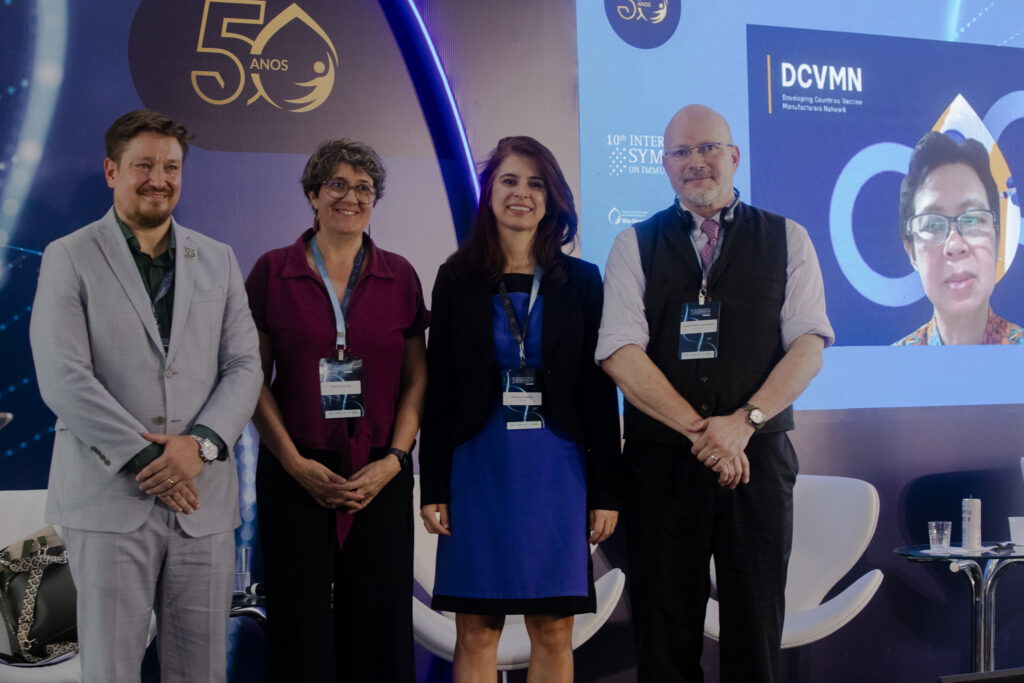
Photo credit: Monara Barreto
She highlighted the network’s efforts to strengthen local manufacturing, technology transfer and regulatory capacity, while supporting WHO prequalification processes and regional procurement strategies.
Susanti said cooperation among developing countries has become increasingly important to ensure sustainable access to vaccines and reduce dependency on a limited number of global suppliers.
Investments and innovation partnerships
Christopher Gill, Senior Program Officer for Vaccine Development and Global Health at the Gates Foundation, focused his remarks on the importance of investments and innovation partnerships to improve vaccination access in low- and middle-income countries.
Gill highlighted ongoing collaboration with Bio-Manguinhos on combination vaccines targeting diseases such as measles and yellow fever.
He warned about the growing pressure on immunization systems worldwide, noting that outbreaks of vaccine-preventable diseases continue to threaten vulnerable populations.
Gill argued that combination vaccines can help simplify immunization schedules and improve access in countries with limited healthcare infrastructure.
Gill also praised Bio-Manguinhos’ role as a strategic global supplier of yellow fever vaccines, stressing the institution’s relevance in exporting doses to more than 50 countries and supporting international vaccination campaigns.
Multilateralism and public policy
Closing the panel presentations, Fernanda De Negri, Secretary of Science, Technology and Innovation and of the Health Economic-Industrial Complex at Brazil’s Ministry of Health, defended multilateral cooperation and stronger public policies to foster scientific and technological partnerships among countries in the Global South.
De Negri said international collaboration is essential for strengthening health sovereignty, reducing inequalities in access to technologies and building sustainable production capacity in developing nations.
She also emphasized the strategic role of public institutions and coordinated policies in enabling long-term cooperation initiatives.
The session was moderated by Tiago Rocca, Director of Strategic Partnerships and New Business Development at the Butantan Foundation.
Watch the full session here:
-
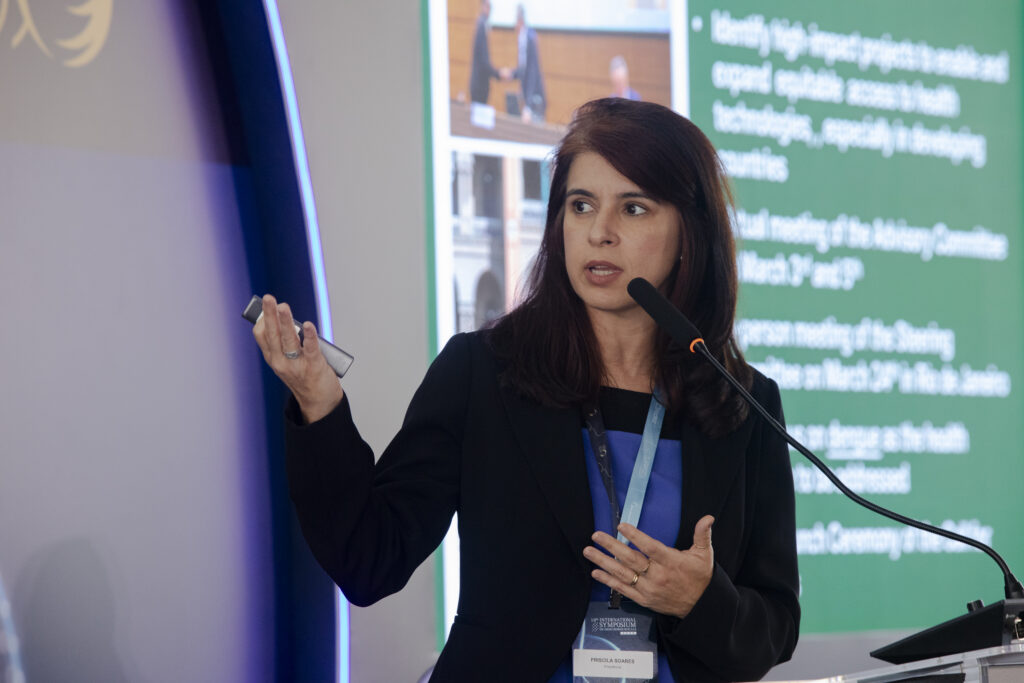
- Priscila Ferraz, Vice President of Production and Innovation in Health at Fiocruz and Deputy Executive Secretary of the Global Coalition for Local and Regional Production, Innovation and Equitable Access. Photo credit: Monara Barreto
-

- Photo credit: Monara Barreto
-
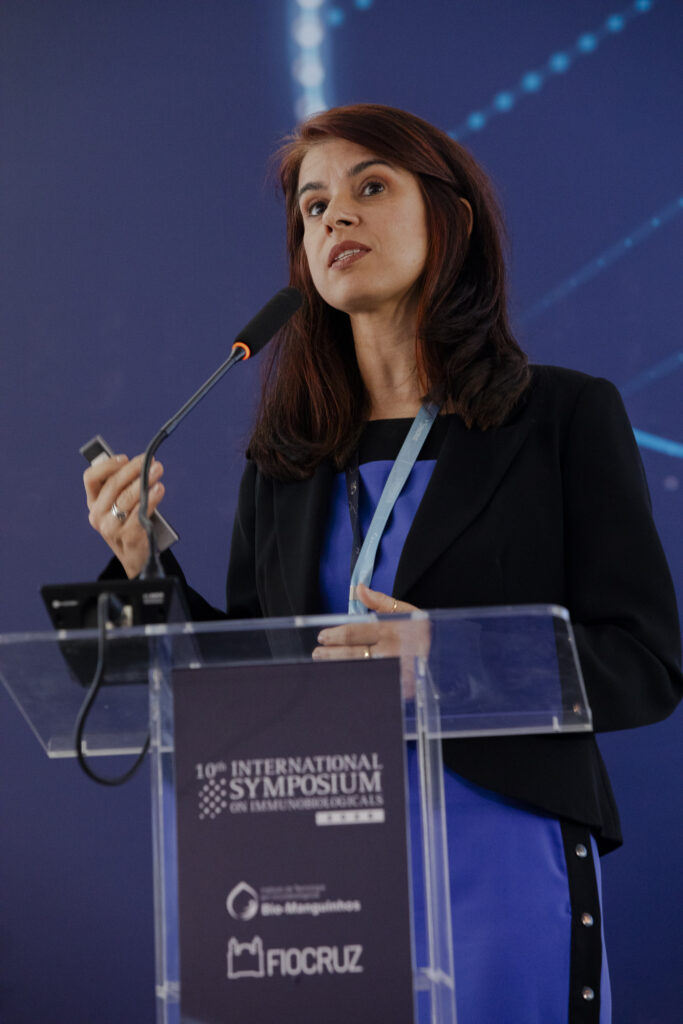
- Priscila Ferraz, Vice President of Production and Innovation in Health at Fiocruz and Deputy Executive Secretary of the Global Coalition for Local and Regional Production, Innovation and Equitable Access. Photo credit: Monara Barreto
-
- Photo credit: Monara Barreto
-
- Photo credit: Monara Barreto
-
- Photo credit: Monara Barreto