Background
& Rationale
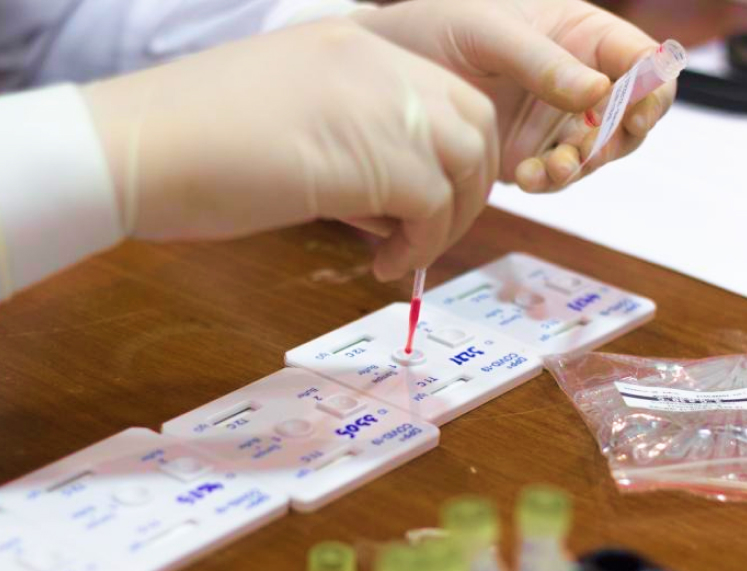
The Coalition was established in response to the structural asymmetries revealed during the COVID‑19 pandemic. The extreme geographic concentration of manufacturing capacity and the vulnerabilities of global supply chains disproportionately affected developing countries, exposing long‑standing inequities across multiple health conditions and signaling the likelihood of repeated impacts on vulnerable populations in future health emergencies. In 2024, the G20 Health Ministers advanced a collective commitment to confront these structural barriers and promote fairer global access to vaccines, therapeutics, diagnostics and other essential health technologies.
Background
& Rationale

The Coalition was established in response to the structural asymmetries revealed during the COVID‑19 pandemic. The extreme geographic concentration of manufacturing capacity and the vulnerabilities of global supply chains disproportionately affected developing countries, exposing long‑standing inequities across multiple health conditions and signaling the likelihood of repeated impacts on vulnerable populations in future health emergencies. In 2024, the G20 Health Ministers advanced a collective commitment to confront these structural barriers and promote fairer global access to vaccines, therapeutics, diagnostics and other essential health technologies.

Brazil’s G20 Presidency Priorities
Brazil decided to place the agenda of science, innovation, local and regional production and access among the priorities of its G20 presidency, determined to contribute to addressing this important challenge. This stems from the understanding that the G20 can play a decisive role in enhancing global production and innovation in order to reduce health inequities.
In this context, the Coalition was established to support a model based on local and regional production, distributed innovation, and voluntary cooperation. This approach aims to strengthen a decisive stage of the product development pathway — manufacturing — to effectively enable real-world access to health technologies. By reinforcing regional manufacturing capacities, the Coalition aims to complement and connect with initiatives focused on earlier research and development phases, contributing to a coherent system that advances more equitable, sustainable, and resilient access to health technologies.
Global Scope and Inclusion of Developing Countries
The Coalition also targets to provide sustained political momentum and foster collective action, building synergies with other existing efforts to promote innovation, local and regional production and therefore equitable and timely access to health technologies.
The Coalition was catalyzed by the G20, however, it is open to the world, welcoming all countries, especially developing countries, which face the greatest need to advance their local and regional innovation and production capabilities.
Brazil’s accumulated experience in local production policies, productive development partnerships, South–South cooperation, and the role of public institutions, such as the Oswaldo Cruz Foundation (Fiocruz) and Butantan Institute, has provided an important foundation for the coordination and implementation of this global initiative.


Mission
To build diversified production and innovation networks that ensure equitable access to health technologies, especially for developing countries.

Vision
A world where no one is left behind in access to health.

Core Values
Equity and inclusiveness; Solidarity and voluntary cooperation; Productive autonomy; Accessible, needs-driven innovation; Transparency and shared governance; Geographically diversified production.
Focus Areas
The Coalition is centered on promoting local production and innovation to enable access to vaccines, therapeutics and diagnostics, and other health technologies for neglected diseases and persons in vulnerable situations, which could be repurposed for other diseases and health emergencies if necessary.
The COVID-19 pandemic has negatively impacted on funding for diseases that affect mostly persons in vulnerable situations, demonstrating the need to foster science, innovation and production capacities in a geographically diversified manner.
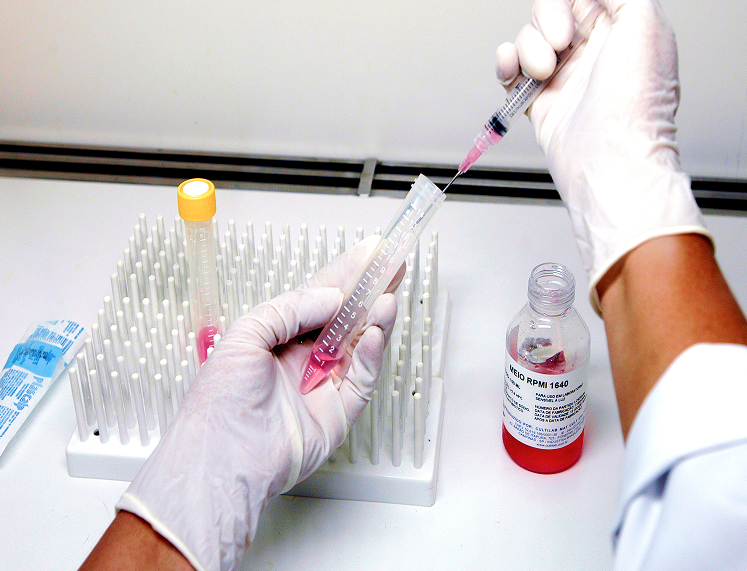
Technological and production capabilities for vaccines, therapeutics, and diagnostics for these diseases pose a global challenge, including concerns about global access to open science and investment in innovation, a lack of sustained regional production, market failures, lack of incentives, and chronic and long-term underfunding for most diseases of neglected communities.
FOCUS AREAS

The COVID-19 pandemic has negatively impacted on funding for diseases that affect mostly persons in vulnerable situations, demonstrating the need to foster science, innovation and production capacities in a geographically diversified manner. Technological and production capabilities of vaccines, therapeutics and Diagnostics, therapeutics and Vaccines for these diseases pose a global challenge, including concerns about global access to open science and investment in innovation, a lack of sustained regional production, market failures, lack of incentives, and chronic and long-term underfunding for most diseases of neglected communities.
Broad Understanding of Neglected Diseases and System Strengthening
The field of neglected diseases should be viewed more broadly, where the most marginalized and vulnerable persons are disproportionately affected and should have universal access to DTVs as well as other health technologies, equipment, materials and services. To guarantee this access, countries, especially the developing ones, must strengthen their Health Economic-Industrial Complex (HEIC).
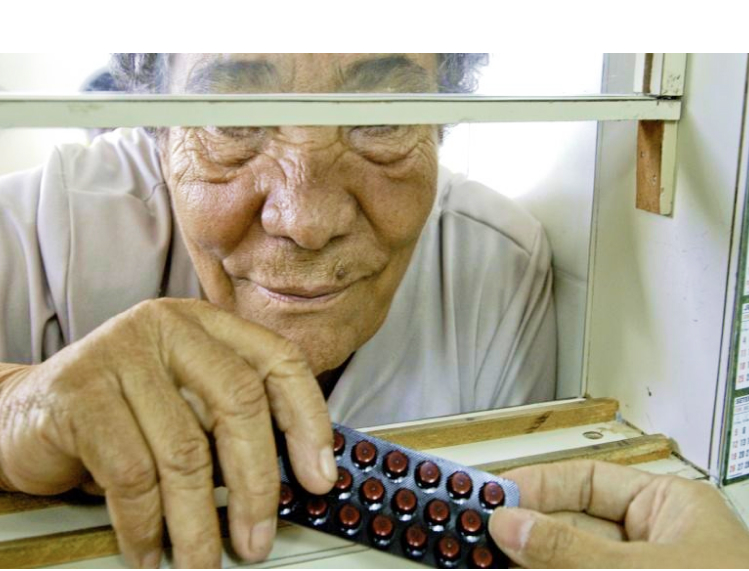
Neglected diseases are a significant public health concern, affecting more than 1 billion people globally, whereas more that 1.65 billion people require preventive and curative interventions for neglected diseases. From this number, it is important to mention that 500 million of the people affected are children. Neglected diseases correspond to 1% of the new medicines created while they represent 12% of the global disease burden. Additionally, only 1% of the annual budget of pharmaceutical companies goes to finance studies on neglected diseases.
Climate Change and Expanding Disease Prevalence
Moreover, it is important to mention that a number of such neglected diseases have had their areas of prevalence recently expanded due to climate change, with a significant impact on the public health of several countries across the globe, such as dengue.
Therefore, addressing the challenges of neglected diseases requires a comprehensive approach that includes strengthening and diversifying science, innovation, local and regional production, and equitable access to essential health products. There is a crucial role that government and international and multilateral organizations in stimulating public and private investments and partnerships.
Global Context
The Coalition responds to a global landscape marked by deep inequalities in transfer of technology, production capacity, and access to health technologies. By incorporating lessons learned from recent health emergencies, the Coalition seeks to contribute to a more balanced and resilient global health architecture that supports preparedness, response, and long-term development. The COVID-19 pandemic presented global challenges related to the future in health, especially the production, innovation and access, which revealed the need to address structural issues in the global scenario as well as to agree on a strategic agenda to reduce asymmetries between countries and unequal conditions to respond to neglected diseases and health emergencies.
GLOBAL CONTEXT

The Coalition responds to a global landscape marked by deep inequalities in transfer of technology, production capacity, and access to health technologies. By incorporating lessons learned from recent health emergencies, the Coalition seeks to contribute to a more balanced and resilient global health architecture that supports preparedness, response, and long-term development. The COVID-19 pandemic presented global challenges related to the future in health, especially the production, innovation and access, which revealed the need to address structural issues in the global scenario as well as to agree on a strategic agenda to reduce asymmetries between countries and unequal conditions to respond to neglected diseases and health emergencies.

Building the Future of Global Health
The pandemic revealed the need for robust and sustainable investment in developing countries on: (1) science and innovation; (2) technological and production capabilities to produce local and regional vaccines, therapeutics and diagnostics (DTVs), as well as other health technologies through the diversification of local and regional production and mechanisms of technology transfer and co-production between developed and developing countries, (3) building more resilient, robust and transparent supply chains; and (4) creating a fair, transparent and equitable global mechanism of cooperation for mutual benefits.
International Cooperation and the Sustainable Development Goals
Achieving the Sustainable Development Goals, including Universal Health Coverage, requires a change in the global status quo through cooperation to develop and manufacture safe, effective, quality, and affordable vaccines, therapeutics, diagnostics, and other health technologies.
All human beings have the right to enjoy the highest attainable standard of physical and mental health without distinction of race, gender, religion, political belief, economic or social condition. Ensuring access to safe, effective, quality and affordable VTDs and other health technologies is a key component of the full realization of the right to health.
Strengthening Local Production and Strategic Use of Purchasing Power
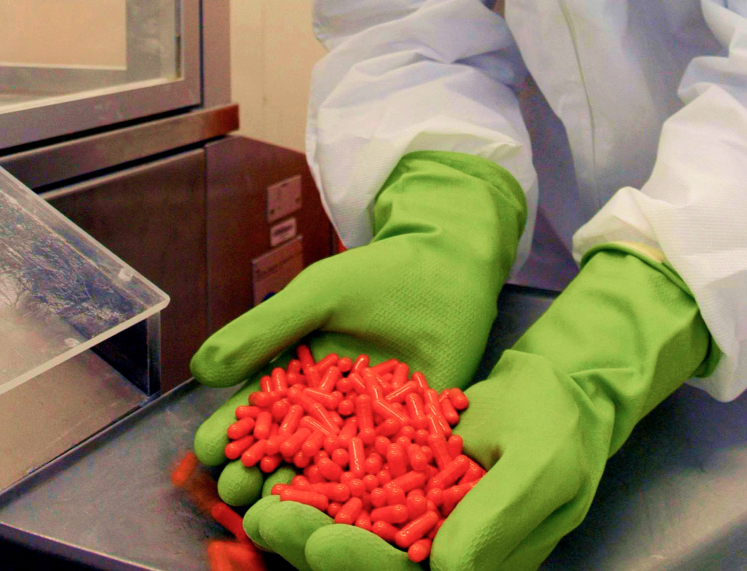
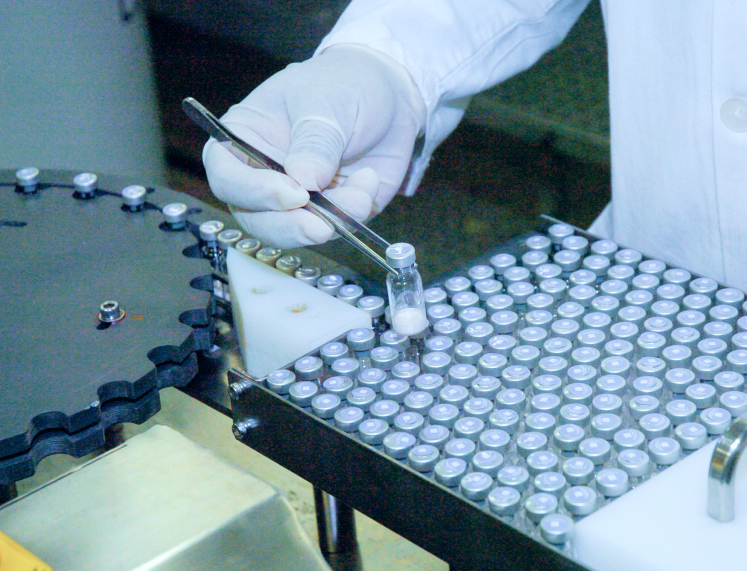
Furthermore, there is a need to promote the development of productive capacity that allows for local and regional production, with the goal of expanding access and reducing dependence on products provided through low-competition markets. To achieve this, the purchasing power of governments as well as of international and regional organizations should be used strategically to invest in diversifying and de-concentrating local and regional production, strengthening this capacity in developing countries.
Innovation, Economic Development, and the Expansion of Human Capabilities
Geographically diversified local and regional innovation, production and R&D of strategic health products have the potential to enhance innovation and science, improve access and safeguard populations in developing countries. Incentivizing local and regional production is equally relevant as a driving force for economic development in countries and regions. Moreover, scientific and technological knowledge have spillover effects and the potential to foster innovation and drive advancements even in other domains, thereby driving economic growth. Diversified production and innovation in health has a great potential for the development of human capabilities and knowledge.