
GOVERNANCE

The governance of the Coalition is based on transparency, shared responsibility, and voluntary multistakeholder cooperation. It is composed of three main bodies: Steering Committee, Advisory Committee and Executive Secretariat.
GOVERNANCE
The governance of the Coalition is based on transparency, shared responsibility, and voluntary multistakeholder cooperation. It is composed of three main bodies: Steering Committee, Advisory Committee and Executive Secretariat.
Steering
Committee
The Steering Committee is the decision-making body of the Coalition. It provides strategic guidance and oversight to the Advisory Committee and the Executive Secretariat. Its decisions are expressed through official declarations.
Steering Committee Composition
 Representatives of G20 member countries and regional economic integration organizations members of the Coalition
Representatives of other countries and regional economic integration organizations members of the Coalition
The Chair of the Advisory Committee
The Executive Secretary

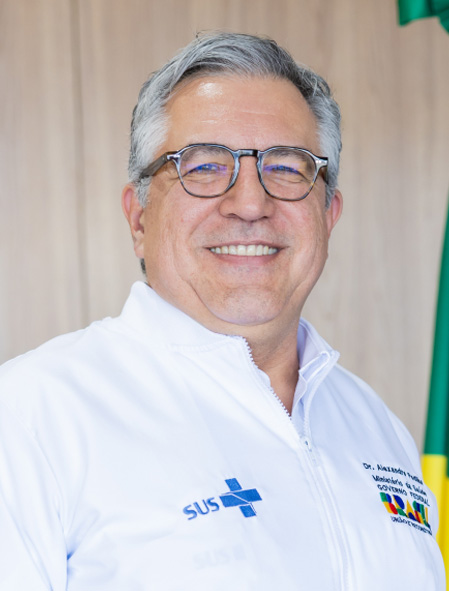
Alexandre Padilha
Minister of Health, Brazil
Appointed Minister of State of Health on March 10, 2025, he previously served in the same position from 2011 to 2014. Throughout his career, he has held key roles, including Minister of Institutional Relations (2009–2010 and 2023–2025) and Head of the Secretariat for Federative Affairs (2005–2009).
He is a deputy for the Workers’ Party (PT) representing the state of São Paulo, an infectious diseases physician, and holds a PhD in Public Health. He also teaches in the Master’s and Doctoral programs in Biophotonic Medicine at Universidade Nove de Julho (UNINOVE), as well as in Primary Health Care and in the Graduate Program at Faculdade São Leopoldo Mandic.
representatives




Founding Members: Brazil, European Union, France, Germany, Indonesia, South Africa, Türkiye, United Kingdom.
Advisory
Committee
The Advisory Committee serves as a consultative body, adopting a systematic approach and providing institutional support. It supports the selection, monitoring and evaluation of initiatives, provides technical contributions to projects and project analyses, and presents recommendations to the Steering Committee.

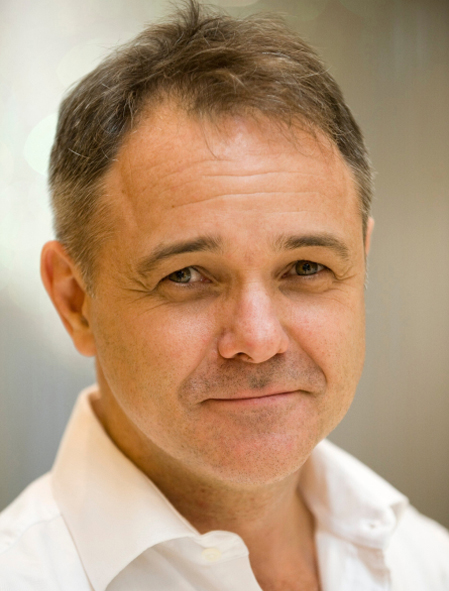
Jeremy Farrar
Chair of the Advisory Committee
As Assistant Director-General of Health Promotion, Disease Prevention and Care, Jeremy Farrar leads WHO’s work on communicable and noncommunicable diseases, health through the life course, health promotion and social determinants of health, nutrition and food safety, migration and health, and the impacts of the environment and climate change on health. Between 2023 and 2025 Dr Farrar was the Chief Scientist at WHO.
Prior to joining WHO, Dr Farrar was Director of Wellcome for 10 years. He oversaw a series of major reforms and growth, with Wellcome now collaborating with partners around the world, all with a commitment to ensuring that equity, diversity and inclusion are central to the science they support. Before joining Wellcome, Dr Farrar spent over 17 years as Director of the Clinical Research Unit Hospital for Tropical Diseases in Ho Chi Minh City, Viet Nam. Dr Farrar trained in neurology and infectious diseases in London, Edinburgh, Melbourne and Oxford. He has a PhD in immunology from the University of Oxford.
















Executive
Secretariat (Fiocruz)
The Executive Secretariat is the operational body responsible for coordination, communication, and implementation of the Coalition’s activities. It supports the work of the Steering Committee and the Advisory Committee and serves as the main institutional contact point.
Headquarters and Management of the Executive Secretariat
Brazil hosts the Executive Secretariat and is responsible for its basic maintenance and budget, without prejudice to the possibility of securing other sources of financing. The Executive Secretariat is carried out by the Oswaldo Cruz Foundation (Fiocruz), a public institution linked to the Brazilian Ministry of Health. Fiocruz reflects Brazil’s experience in public health, local production, and international cooperation.

Executive
Secretariat (Fiocruz)
The Executive Secretariat is the operational body responsible for coordination, communication, and implementation of the Coalition’s activities. It supports the work of the Steering Committee and the Advisory Committee and serves as the main institutional contact point.
Headquarters and Management of the Executive Secretariat
Brazil hosts the Executive Secretariat and is responsible for its basic maintenance and budget, without prejudice to the possibility of securing other sources of financing. The Executive Secretariat is carried out by the Oswaldo Cruz Foundation (Fiocruz), a public institution linked to the Brazilian Ministry of Health. Fiocruz reflects Brazil’s experience in public health, local production, and international cooperation.

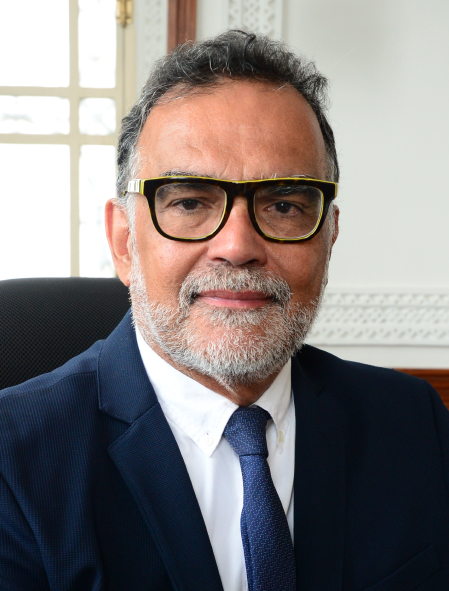
Mario Santos Moreira
President of Oswaldo Cruz Foundation Fiocruz, Brazil
Mario Moreira is President of Oswaldo Cruz Foundation (Fiocruz) since 2023. He serves at Fiocruz since 1994 and previously was Vice President for Management and Institutional Development. He holds a PhD in Public Policy and master’s degrees in Public Health and in Technology and Innovation Management, as well as an MBA in Public Administration.
Dr. Moreira is President of the Board of Directors of the Pasteur Network, representing the Americas, and serves on the Global Board of DNDi. He is also a member of the Steering Group of IPPS, the Leadership Committee of IPSN/WHO, and the Emergency Advisory Group at Africa CDC. In addition, he chairs the Strategic Advisory Group on Strengthening Regional Innovation and Manufacturing Capacities for Medicines and Other Health Technologies at PAHO/WHO.

BRAZIL
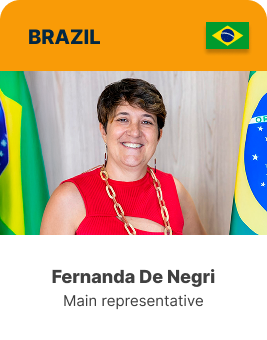
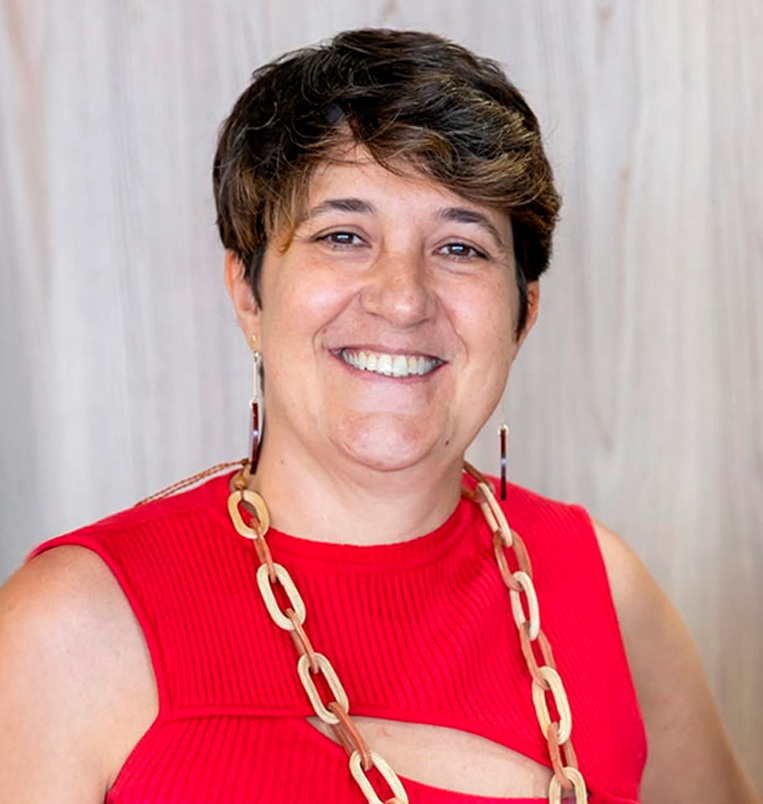
Fernanda De Negri
Secretary of Science, Technology and Innovation and the Health Economic-Industrial Complex, Ministry of Health
Main Representative
Fernanda De Negri graduated in Economics from the Federal University of Paraná (UFPR), and holds a master’s degree and a doctorate in Economics from the State University of Campinas (Unicamp). In the United States, she was a visiting researcher at the Massachusetts Institute of Technology (MIT) and at Harvard University.
In the public sector, she was an economic advisor to the Minister of Development, Industry and Foreign Trade and head of the Monitoring and Evaluation Office of the Ministry of Science and Technology (MCT), as well as director of the Institute of Applied Economic Research (Ipea), where she has been a researcher since 2004.
She has experience in the areas of industrial economics, scientific and technological policy and innovation in health, with several books and articles published on these topics. She received second place in the National Bank for Economic and Social Development (BNDES) award for economics in 2003 for her master’s dissertation and was a finalist for the Jabuti award in the area of economics with the book “Produtividade no Brasil: desempenho e determinantes” (Productivity in Brazil: performance and determinants).
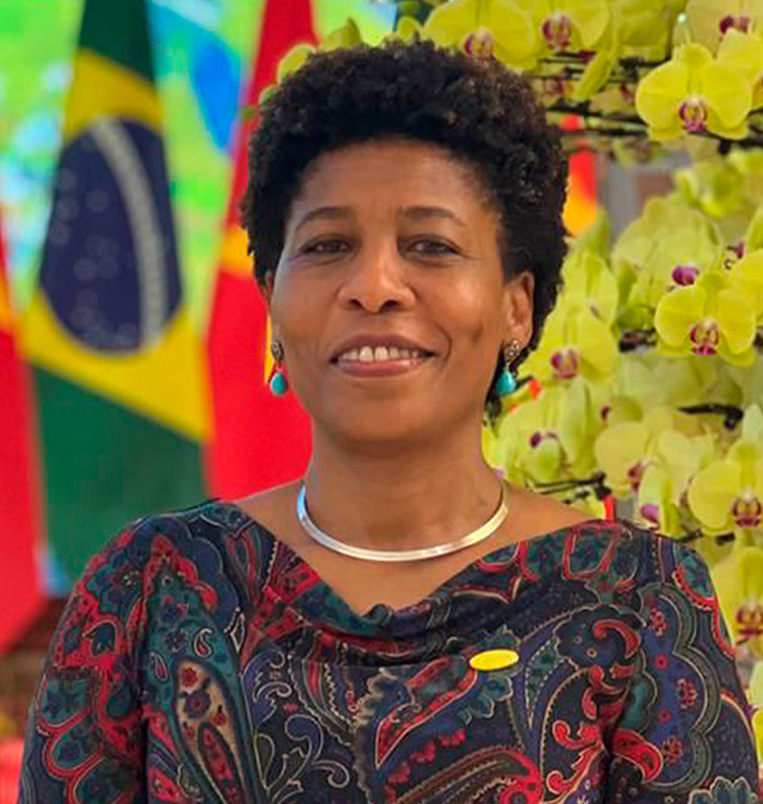
BRAZIL
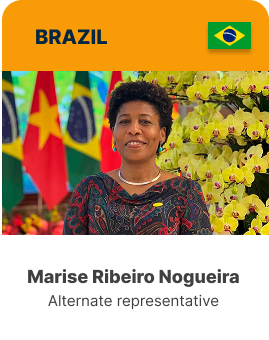
Marise Ribeiro Nogueira
Head of the Special Advisory Office for International Affairs, Ministry of Health
Alternate Representative
Born in Niterói, Rio de Janeiro, Marise Ribeiro Nogueira is a physician and diplomat. She graduated in Medicine in 1987 from the Faculty of Medicine and Surgery at UNIRIO and obtained a Master’s degree in Radiology from UFRJ in 1994. She was a médecin attachée at the University of Paris VI (1992) and the Rouen University Hospital Center (1993) in France. She joined the Ministry of Foreign Affairs as a diplomat in 2003, having been a fellow of the Affirmative Action Program at the Rio Branco Institute in 2002. From 1994 to 2003, she worked as a radiologist in the public sector—Ministry of Health, UFRJ, UFF, State Health Secretariat of Rio de Janeiro—and in the private sector. As a diplomat, she worked in the areas of international health, human rights, consular affairs, culture, and administration at the State Secretariat and at the Brazilian Embassies in Buenos Aires (2007-2010), Lima (2011-2013), Washington (2019-2022), and Panama (2022-2024). She was international advisor to the Secretariat for Women’s Policies (SPM) from September 2013 to December 2014 and Secretary for Women, Human Rights, and Racial Equality of the Federal District Government in 2015. She is currently the Head of the Special Advisory Office for International Affairs at the Ministry of Health.
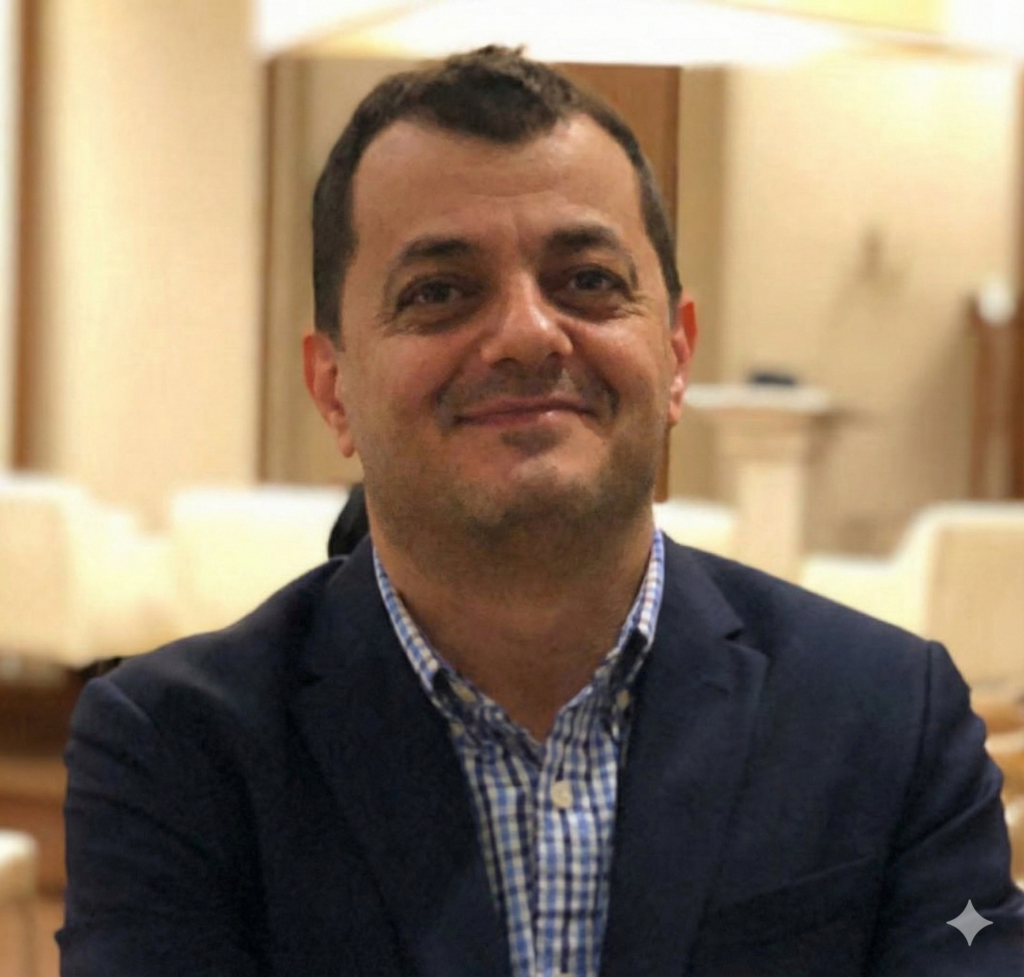

TÜRKIYE
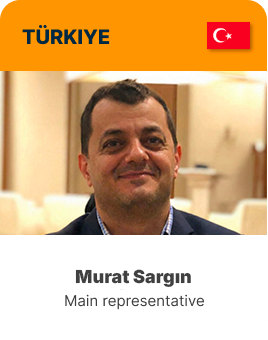
Dr. Murat Sargın
Vice President, Health Institutes of Türkiye (TÜSEB)
Main Representative
Murat Sargın, MD, Associate Professor, is a consultant cardiac and vascular surgeon and currently serves as Vice President of the Health Institutes of Türkiye (TÜSEB), where he contributes to national strategies in health research, innovation, and education. He is also President of the Turkish Society of Cardiovascular Surgery and practices at Dr. Siyami Ersek Thoracic and Cardiovascular Surgery Training and Research Hospital in Istanbul.
With extensive clinical and academic experience, Dr. Sargın is actively involved in advanced heart failure surgery, mechanical circulatory support systems (ECMO, LVAD), and heart transplantation. He serves as Deputy Director of the Heart Transplantation and LVAD Program at the Siyami Ersek Cardiovascular Center and leads the Master’s Program in Organ Transplant Coordination, supporting structured postgraduate education in transplantation medicine.
Dr. Sargın completed a research fellowship at the Texas Heart Institute, Houston, and a clinical fellowship in vascular surgery at the Royal Liverpool University Hospital. His work focuses on multidisciplinary training, collaborative research, and the advancement of cardiovascular surgery and translational medicine.
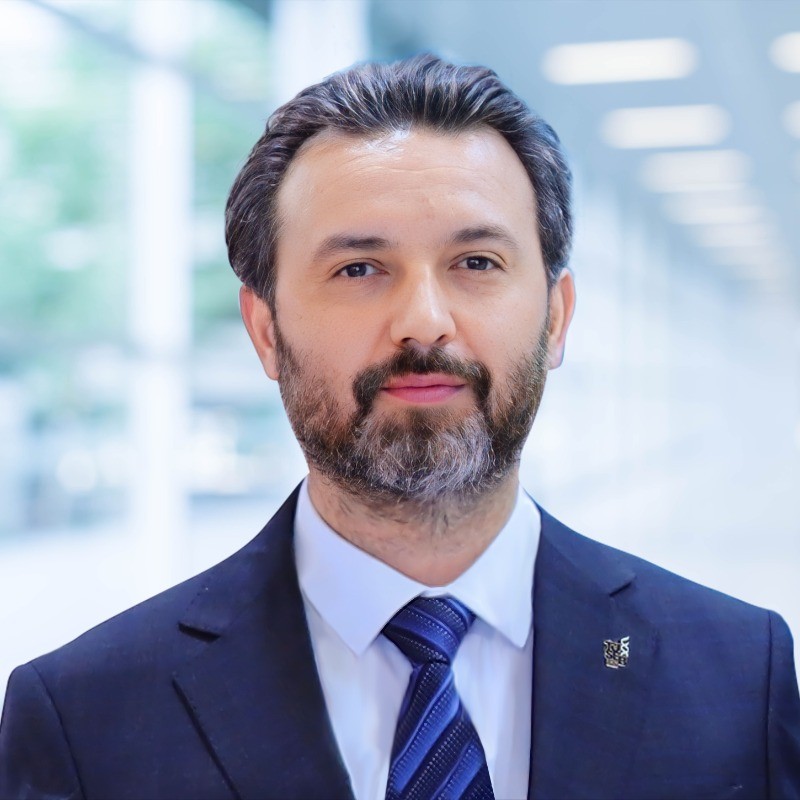
TÜRKIYE
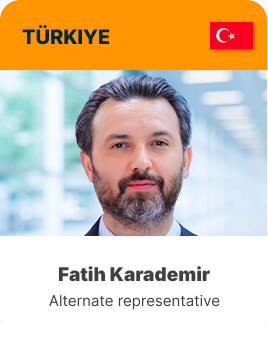
Fatih Karademir
Head of the International Relations Department, Health Institutes of Türkiye (TÜSEB)
Alternate Representative
Fatih Karademir is a senior professional in international health cooperation and global health governance. He serves as Head of the Foreign Affairs Department at the Health Institutes of Türkiye (TÜSEB), where he leads institutional engagement with international organizations and coordinates cross-border health initiatives.
With over five years of experience at TÜSEB, he has contributed to the development and implementation of multilateral partnerships supporting health research, innovation, and policy alignment. His previous roles include Deputy Secretary General at the Pharmaceutical Manufacturers Association of Türkiye, Quality Assurance Manager in the pharmaceutical industry, and international health consultant.
Mr. Karademir holds a Master’s degree in Analytical Chemistry from Ankara University. While his academic background has strengthened his analytical and problem-solving capabilities, his career has been primarily shaped by leadership and managerial responsibilities. His expertise spans strategic team management, European Union relations, and cross-sectoral cooperation, through which he actively contributes to organizational development and international engagement.
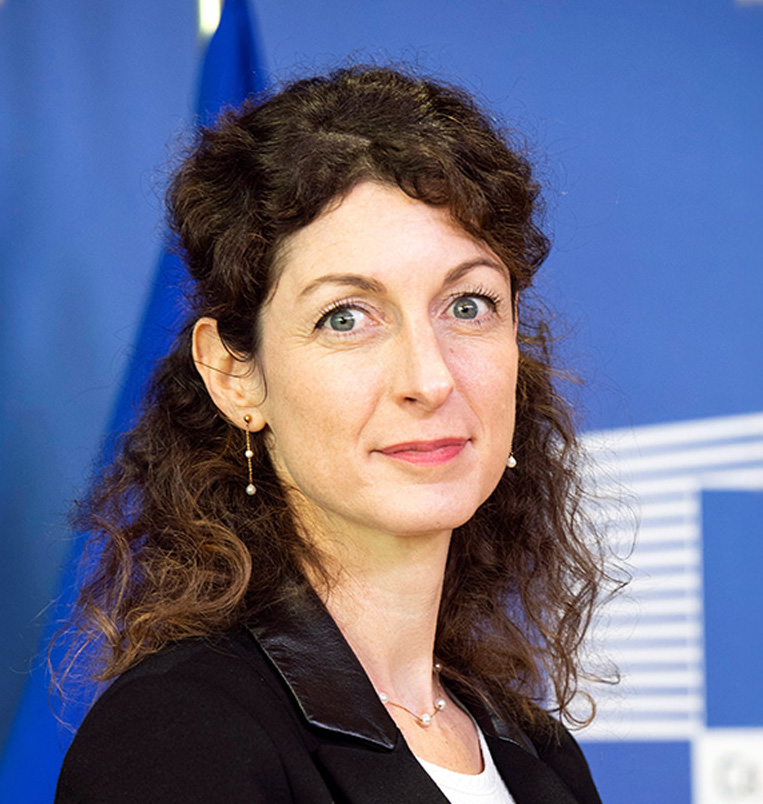

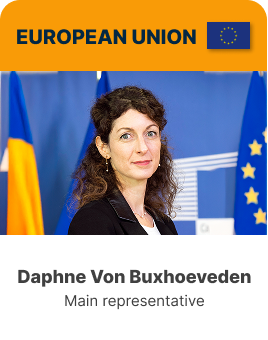
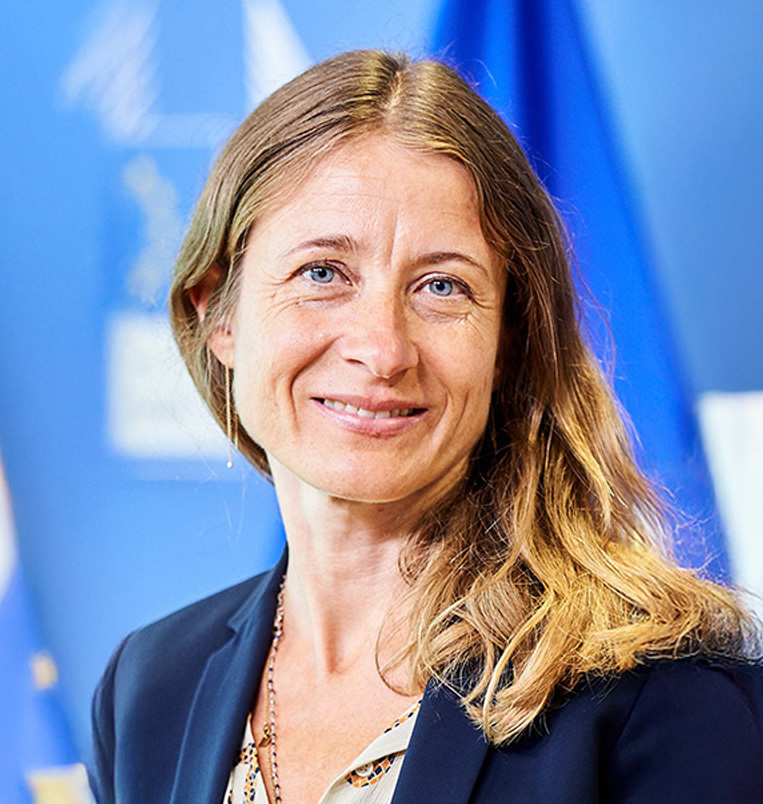
EUROPEAN UNION
Daphne von Buxhoeveden
Head of Unit – HERA Policy and Coordination
Main Representative
Daphne von Buxhoeveden, based in Brussels, is currently a Head of Unit in DG HERA at the European Commission. Prior to that she was member of the Cabinet of Commissioner Stella Kyriakides. Daphne von Buxhoeveden brings experience from previous roles at the European Commission, the UK Government and the private sector. She holds a Master of Science (MSc) in Natural Resource and Environmental Economics from the University College London and a Master of Arts degree in Economics and Politics from the University of Edinburgh.
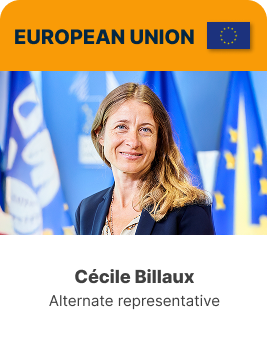
EUROPEAN UNION
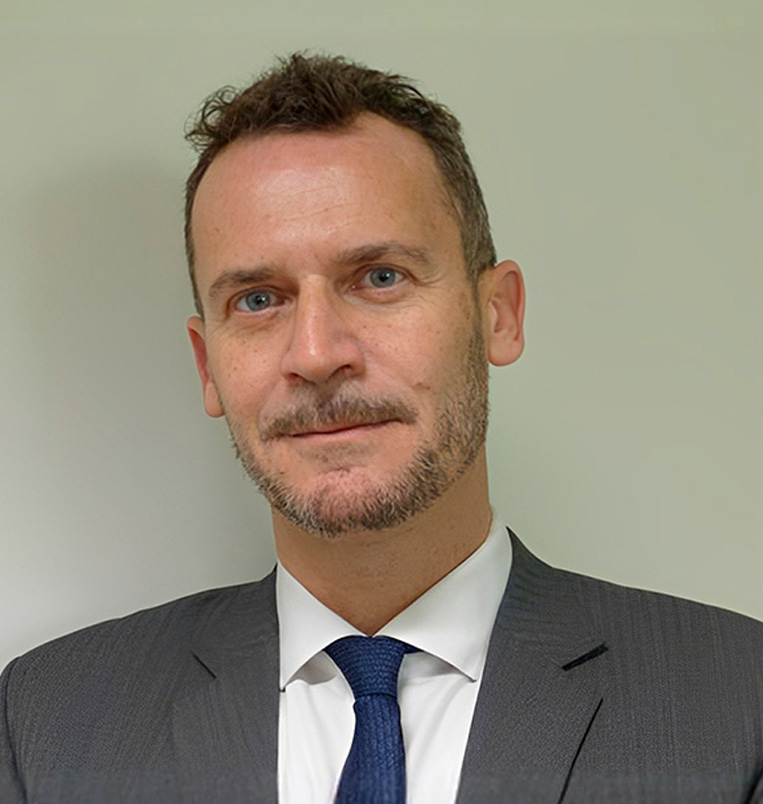
Cécile Billaux
Head of Unit G4 – Social Inclusion and Protection, Health and Demography (DG INTPA)
Alternate Representative
Cécile BILLAUX is Head of Unit in the Directorate General for International Partnerships (DG INTPA) in charge of social inclusion and protection, health and demography. In this role, she is notably member of the Board of Gavi and the Global Fund to fight AIDS, Tuberculosis and Malaria, where she represents the European Commission.
She has been working for the European Commission for 20 years, holding various positions in relation to health, climate, development and trade in various DGs as well as in the Cabinet of former EU Commissioner for Climate Change Connie Hedegaard and former EU Trade Commissioners Cécilia Malmström and Phil Hogan subsequently. Directly before her current position, she was Head of Unit in charge of Trade, value chains, entrepreneurship and investment climate in DG INTPA.
Prior to working for the Commission, Cécile worked in the private sector as a Consultant in public affairs for major international companies. She holds a Master’s degree in Public Administration from the Harvard Kennedy School of Government.

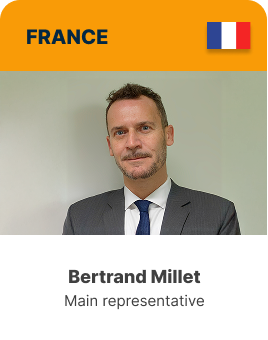
FRANCE
Bertrand Millet
Head of the Office of Health Policy and International Relations, General Secretariat of Social Ministries
Main Representative
Bertrand Millet is a senior French civil servant specialising in global health and multilateral diplomacy. Since 2022, he has served as Head of the Office of Health Policy and International Relations within the General Secretariat of Social Ministries, where he coordinates the international commitments of the Ministry of Health and represents France’s positions on global health in major multilateral forums, primarily the G7, G20 and OECD, but also the WHO and its regional offices and other United Nations agencies.
His work also covers the Ministry’s bilateral health cooperation, particularly with G20 countries, and the monitoring and implementation of France’s global health strategy within the Ministry’s departments, agencies and operators.
His career includes several posts in embassies, notably in Serbia and North Macedonia, where he worked in cooperation and strategic advisory roles with national authorities.
With proven experience in international negotiation, complex programme management and multicultural team management, Bertrand Millet brings his technical expertise and representative skills to bear on global health issues.

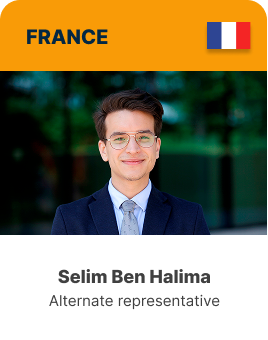
FRANCE
Selim Ben Halima
Global Health Advisor, Office of Health Policy and International Relations
Alternate Representative
Selim Ben Halima is a global health advisor to the Office of Health Policy and International Relations within the General Secretariat of Social Ministries. He is primarily responsible for monitoring and contributing to the French Ministry of Health’s involvement in the G7, the World Health Organisation and several multilateral health entities such as the Global Fund to Fight AIDS, Tuberculosis and Malaria. He also covers the ministry’s bilateral and regional relations with sub-Saharan Africa.
Trained in political science and international relations, particularly in international programme management, he specialised in global health through research during his studies, followed by professional experience at the COVID-19 health crisis centre in 2021 and then at the General Secretariat of Social Ministries since 2021.


UNITED KINGDOM
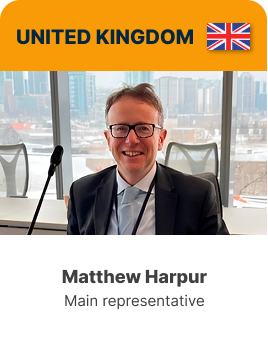
Matthew Harpur
Deputy Director for Multilateral Engagement and G7/G20 Engagement, Department of Health and Social Care
Main Representative
Matthew Harpur is Deputy Director for Multilateral Engagement and G7/G20 Engagement at the UK Department of Health and Social Care and Co-Chair of the Intergovernmental Working Group on Pathogen Access and Benefit-Sharing (PABS).
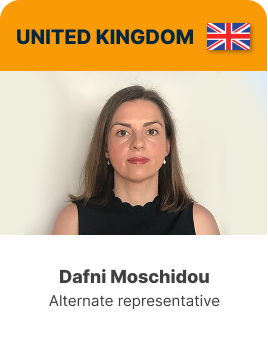
UNITED KINGDOM
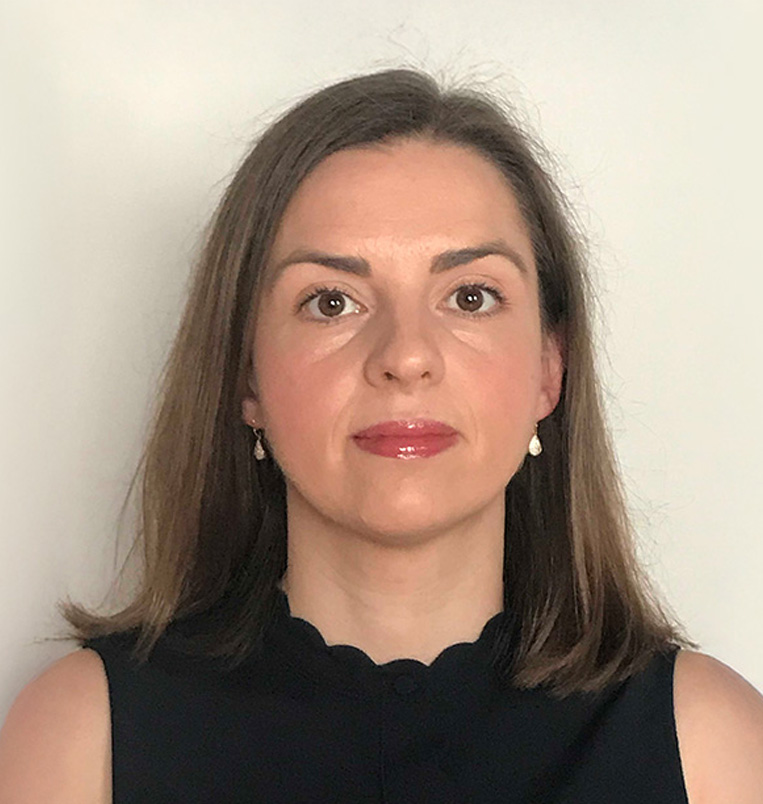
Dafni Moschidou
Head of Multilateral, Department of Health and Social Care
Alternate Representative
Dr Dafni Moschidou is Head of Multilateral at the UK’s Department of Health and Social Care.

INDONESIA
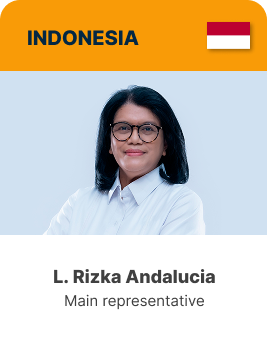
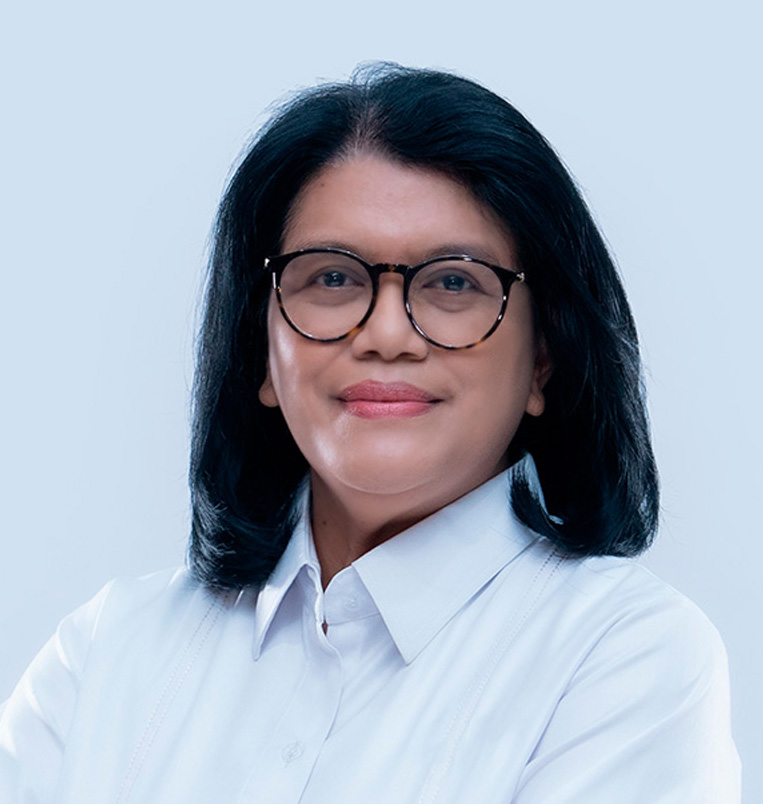
L. Rizka Andalucia
Director General for Pharmaceuticals and Medical Devices, Ministry of Health
Main Representative
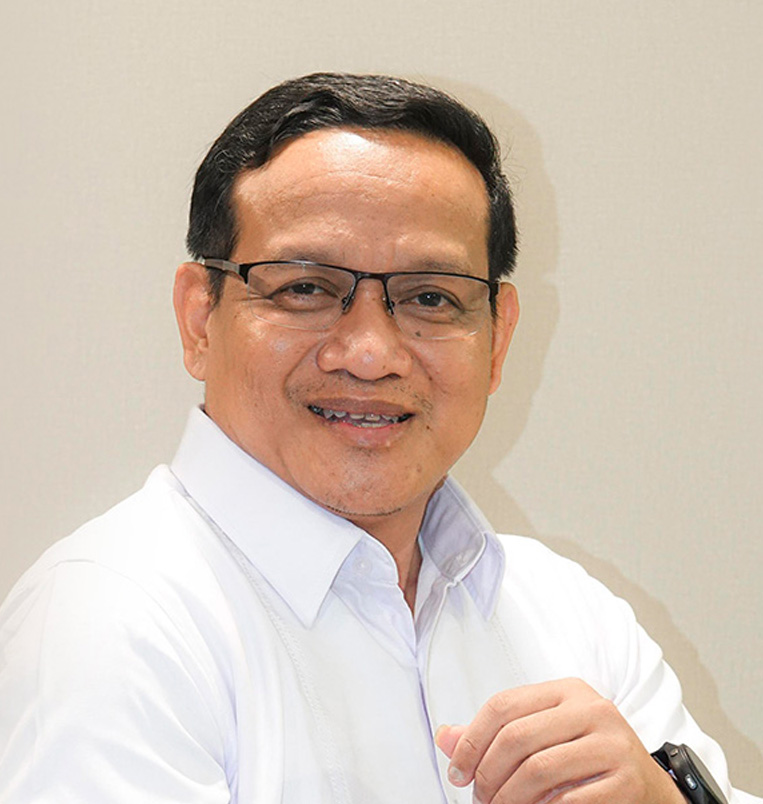
Dr. L. Rizka Andalucia (Dr. Rizka) is a distinguished health professional with deep expertise in global health governance and a proven track record of driving strategic decision-making. She currently serves as the Director General for Pharmaceuticals and Medical Devices at the Ministry of Health of Indonesia, where she plays a critical role in shaping policies that advance equitable access to essential medicines, vaccines, and medical technologies particularly in Low-and-Middle Income Countries (LMICs).
Dr. Rizka’s leadership is built on a solid foundation. Beginning her professional journey as a pharmacist, her academic path continued with advanced studies, culminating in a Doctorate in Biomedical and Medical Sciences. With a public service career spanning more than three decades since 1994, she has consistently brought together science and policy to lead in critical areas such as pharmaceutical development, regulatory governance, and resource mobilization, all aligned with the broader goals of global health equity.
Driven by a strong vision to strengthen local production as a cornerstone of national health resilience, Dr. Rizka leverages her influential international roles to advance this mission. Her expertise is sought globally, serving as a Board Member for the Coalition for Epidemic Preparedness Innovations (CEPI), a member of the M72 Advisory Board, the Focal Point for the Regional Vaccine Manufacturing Collaborative (RVMC), and an advisory board member for The Indonesian Association for the Study of Medicinals (IASMED). This global presence, including in forums like the G20, allows her to bridge international priorities with local realities, fostering a robust R&D ecosystem that supports long-term healthcare sustainability and resilience.
INDONESIA
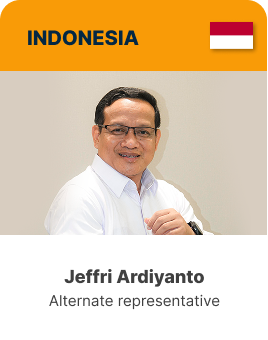
Jeffri Ardiyanto
Director for Pharmaceutical and Medical Device Resilience
Alternate Representative
Director for Pharmaceutical and Medical Device Resilience. Chairperson of the Association of Health Polytechnic Colleges under the Indonesian Ministry of Health (APKESI); Chairperson of the Association of Indonesian Radiographer Education Institutions (AIPRI); Director of the Semarang Health Polytechnic, Ministry of Health; Chairperson of the Regional Board of the Indonesian Radiographers Association, Central Java; General Treasurer of the Central Executive Board of the Indonesian Radiographers Association. Outstanding Civil Servant at the Ministry of Health Level, 2023; Delegation of the 3rd Health Working Group Meeting, G20 Salvador, Brazil 2024

SOUTH AFRICA
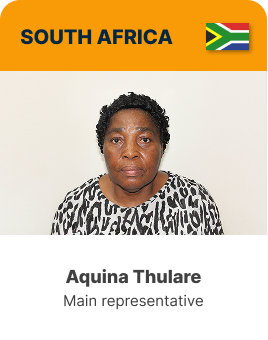
Aquina Thulare
Technical Specialist on Health Economics for National Health Insurance (NHI)
Main Representative
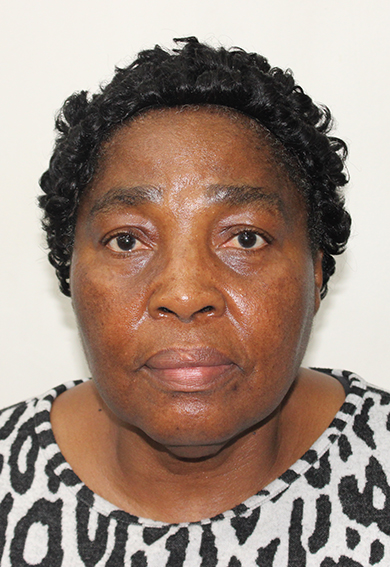
Dr. Aquina Thulare is a distinguished medical practitioner and public health specialist with over 25 years of leadership in health financing, economics, and international diplomacy. As a Technical Specialist on Health Economics for National Health Insurance (NHI), she has been a primary architect of South Africa’s NHI legislation and the 2026–2028 consolidated strategic plan, driving the nation’s transition toward Universal Health Coverage (UHC).
A veteran of global health governance, Dr. Thulare served as South Africa’s Chief Negotiator for the WHO Pandemic Agreement and currently leads negotiations for the Pathogen Access and Benefit Sharing (PABS) Annexure. Her diplomatic influence extends to the G20, where she co-chaired the Health Working Group during South Africa’s 2025 Presidency, and the WHO UHC2030 Steering Committee, where she provides strategic oversight for the 2030 Sustainable Development Goals.
As a recognized health expert, she has shaped numerous WHO and United Nations Resolutions, serving on the WHO UHC2030 Steering Committee to align global health systems with the 2030 Sustainable Development Goals. Since 2012, she has also represented South Africa in BRICS Health Officials Meetings and the BRICS Academic Forum.
Formerly the CEO of the South African Medical Association, Dr. Thulare continues to bridge the gap between national policy, global health security and Universal Health Coverage.
SOUTH AFRICA
Khadija Jamaloodien
Chief Director: Sector Wide Procurement
Alternate Representative
Khadija Jamaloodien has served as Chief Director: Sector Wide Procurement since February 2023, where she provides strategic leadership and oversight to support the establishment of the Office of Health Products Procurement in preparation for National Health Insurance (NHI).
She previously served as Director: Affordable Medicines at the National Department of Health from August 2014, leading the development of governance frameworks to improve the sustained availability of, and equitable access to, medicines across the public health sector. A pharmacist by training, she holds a Master’s degree in Clinical Epidemiology and has 26 years of experience within the Department.
For more than a decade, she managed South Africa’s Essential Drugs Programme, establishing an evidence-based platform to guide the selection of medicines for the Standard Treatment Guidelines and Essential Medicines List. She also oversaw the national procurement and availability of essential medicines and led initiatives to strengthen the medicines supply chain, resulting in improved medicine availability.


CANADA
Heather Deehan
Director, Infectious Disease and Vaccine Programs Branch, Public Health Agency of Canada
Main Representative
Ms. Deehan has dedicated her professional career in public health, including rural and urban public health nursing and as a Nurse Practitioner supporting access to primary care in remote and isolated settings in Canada’s north.
Following completion of graduate studies in Community Health and Epidemiology, Heather provided strategic leadership in the development of immunization registries and vaccine inventory management systems in Canada to better secure and monitor the use of vaccine.
Heather continued her focus in vaccines as the Chief, Vaccine Preventable Diseases with the Public Health Agency of Canada, responsible for monitoring and surveillance of vaccine preventable diseases to support prevention and control of outbreaks in addition to epidemiologic analysis supporting recommendations for the use of vaccines and evaluation of immunization programs in Canada.
Heather has also worked in Pandemic Preparedness and Response, leading efforts to coordinate Canada’s response to pandemic H1N1 in 2009 as Executive Secretary for the Pandemic Response Oversight Committee. She recently re-joined PHAC in August 2020, leading on national vaccine logistics and distribution strategy for the COVID19 vaccine roll out.
Prior to returning to Canada, Heather served the role of Chief, Vaccine Centre for UNICEF Supply Division since 2014, delivering on the ambitious goal to achieve vaccine security: access to safe, affordable supply to support national immunization programmes and outbreak response to over 100 developing countries throughout the world.

CANADA
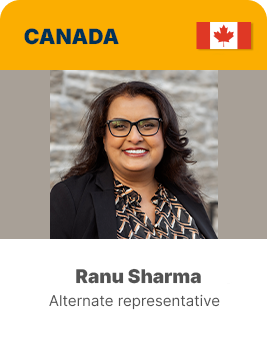
Ranu Sharma
Manager, Office of International Affairs for the Health Portfolio, Health Canada
Alternate Representative
Bio soon here.